For centuries, Morocco’s handwoven rugs have carried stories across mountains, deserts, and generations. More than decorative objects, they are living expressions of Amazigh (Berber) identity, shaped by landscape, memory, and tradition. From the minimalist elegance of Beni Ourain to the vibrant spontaneity of Azilal, each rug tells a story woven in wool.
The Heritage of Moroccan Weaving
Moroccan rug weaving is deeply rooted in the traditions of Amazigh tribes spread across the Atlas Mountains. For generations, women have passed down techniques, symbols, and patterns orally and visually—each motif representing aspects of life such as fertility, protection, nature, and spirituality.
Every region developed its own distinct style based on climate, available materials, and cultural influences. What unites them all is authenticity: hand-spun wool, natural dyes, and hours—sometimes months—of meticulous craftsmanship.
Beni Ourain: Minimalism from the Middle Atlas
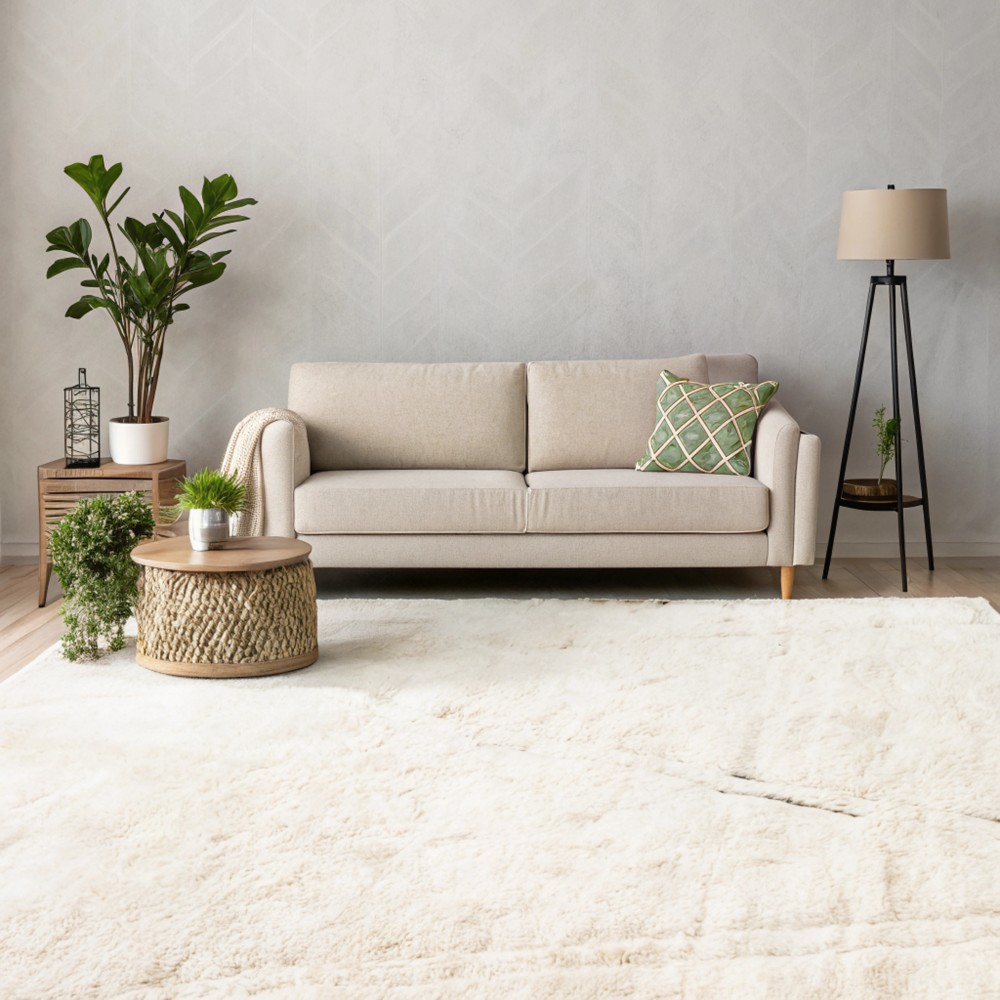
The iconic Beni Ourain rugs originate from tribes in Morocco’s Middle Atlas Mountains. Traditionally woven from undyed sheep’s wool, these rugs are known for:
-
Creamy ivory backgrounds
-
Soft, plush texture
-
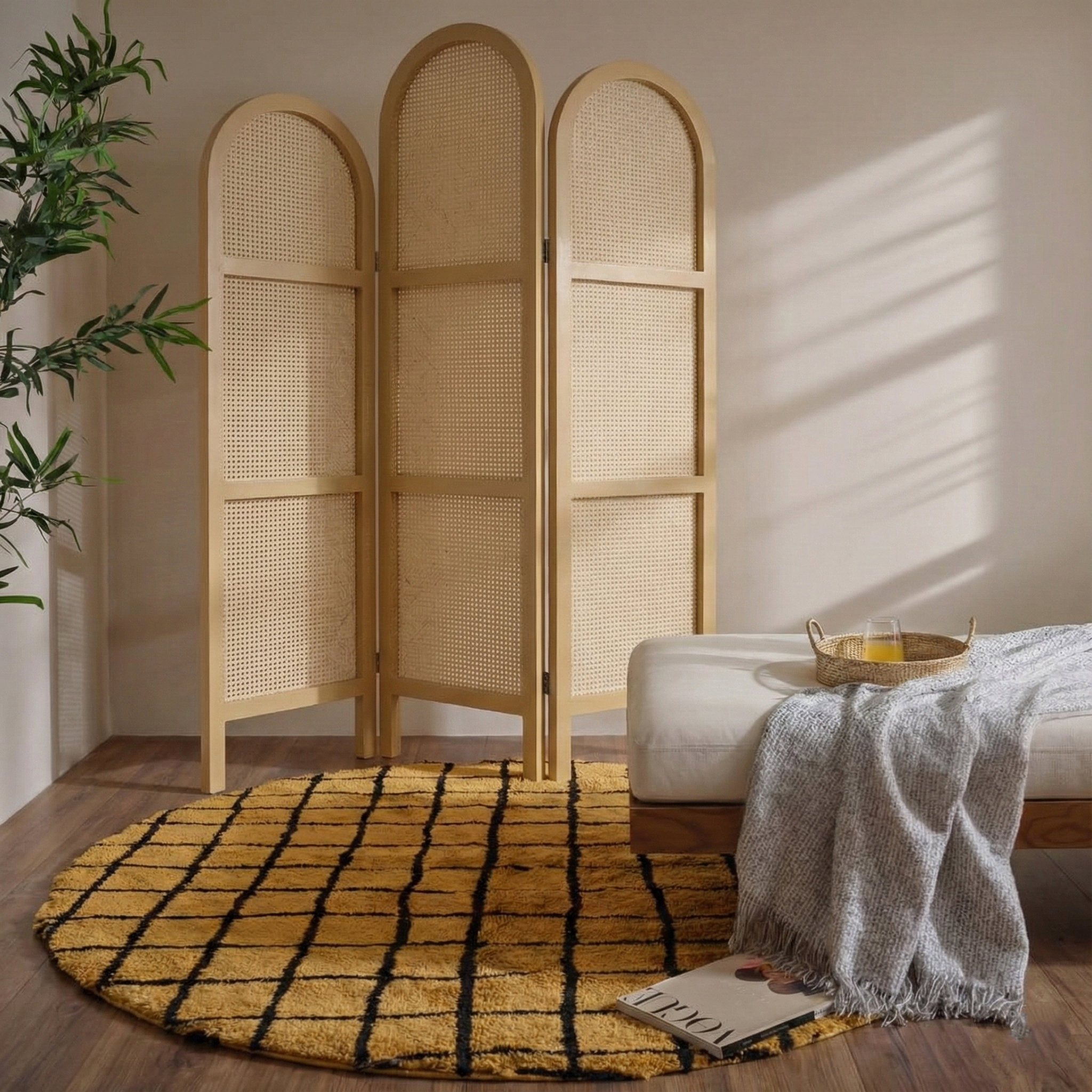
Simple geometric diamond patterns in black or brown
Originally created for warmth during harsh mountain winters, Beni Ourain rugs were thick and insulating. Their understated design has since made them a favorite in modern interiors worldwide. Designers often pair them with contemporary spaces because their neutral tones and abstract lines feel both ancient and strikingly current.
Yet beneath their minimalist appearance lies deep symbolism—diamonds representing protection, fertility, or the feminine spirit.
Azilal: Color, Energy, and Storytelling
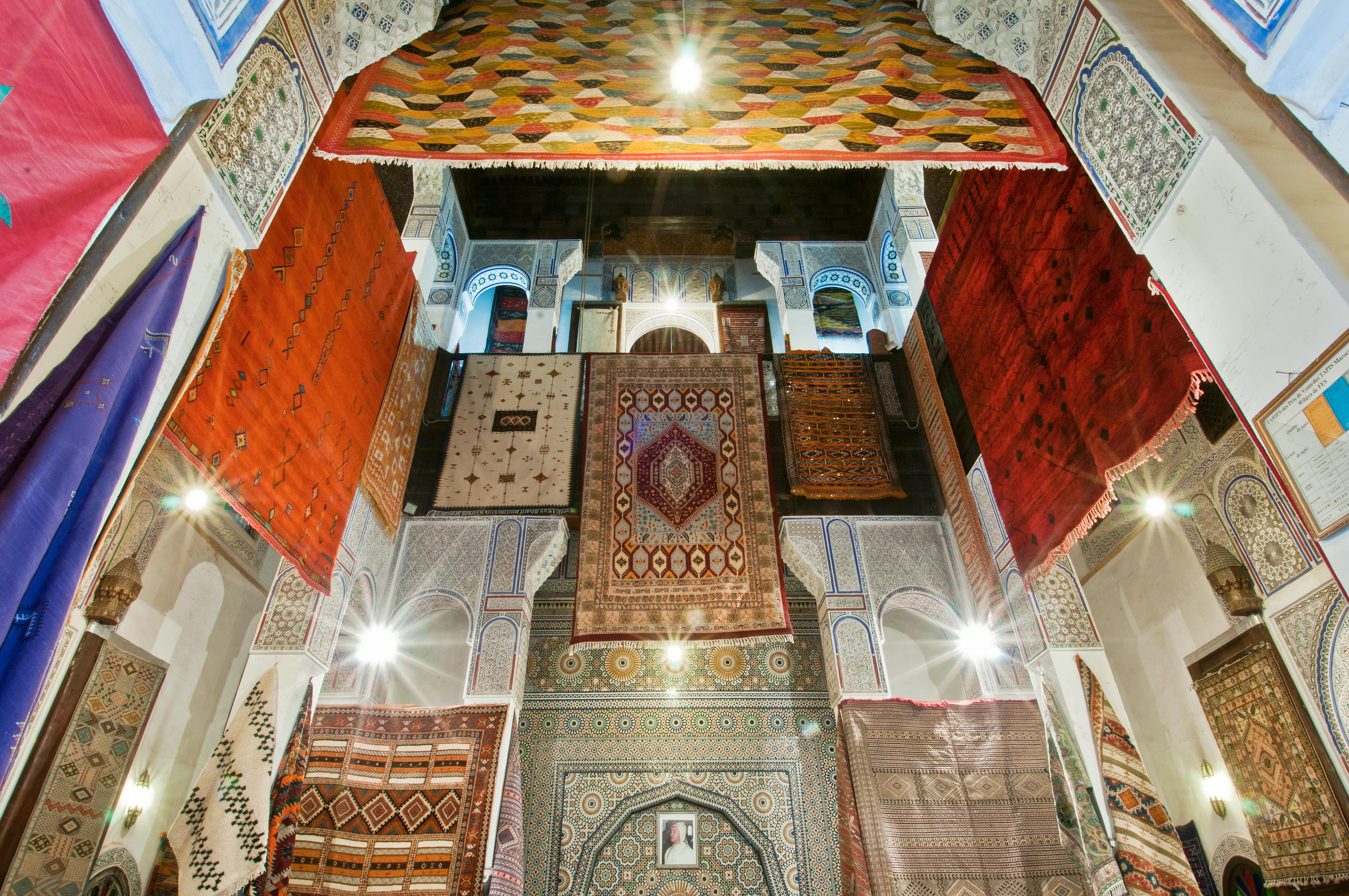
In contrast to Beni Ourain’s restrained palette, rugs from Azilal burst with color and creative expression. Woven in the High Atlas region, Azilal rugs combine natural wool with vibrant cotton threads.
Characteristics often include:
-
Playful asymmetry
-
Bright reds, blues, yellows, and greens
-
Abstract, symbolic imagery
Unlike standardized patterns, Azilal designs are often deeply personal. Many are spontaneous, reflecting dreams, daily life, or symbolic storytelling unique to the weaver. The result is art that feels joyful, bold, and deeply human.
Beyond: A Tapestry of Regional Styles
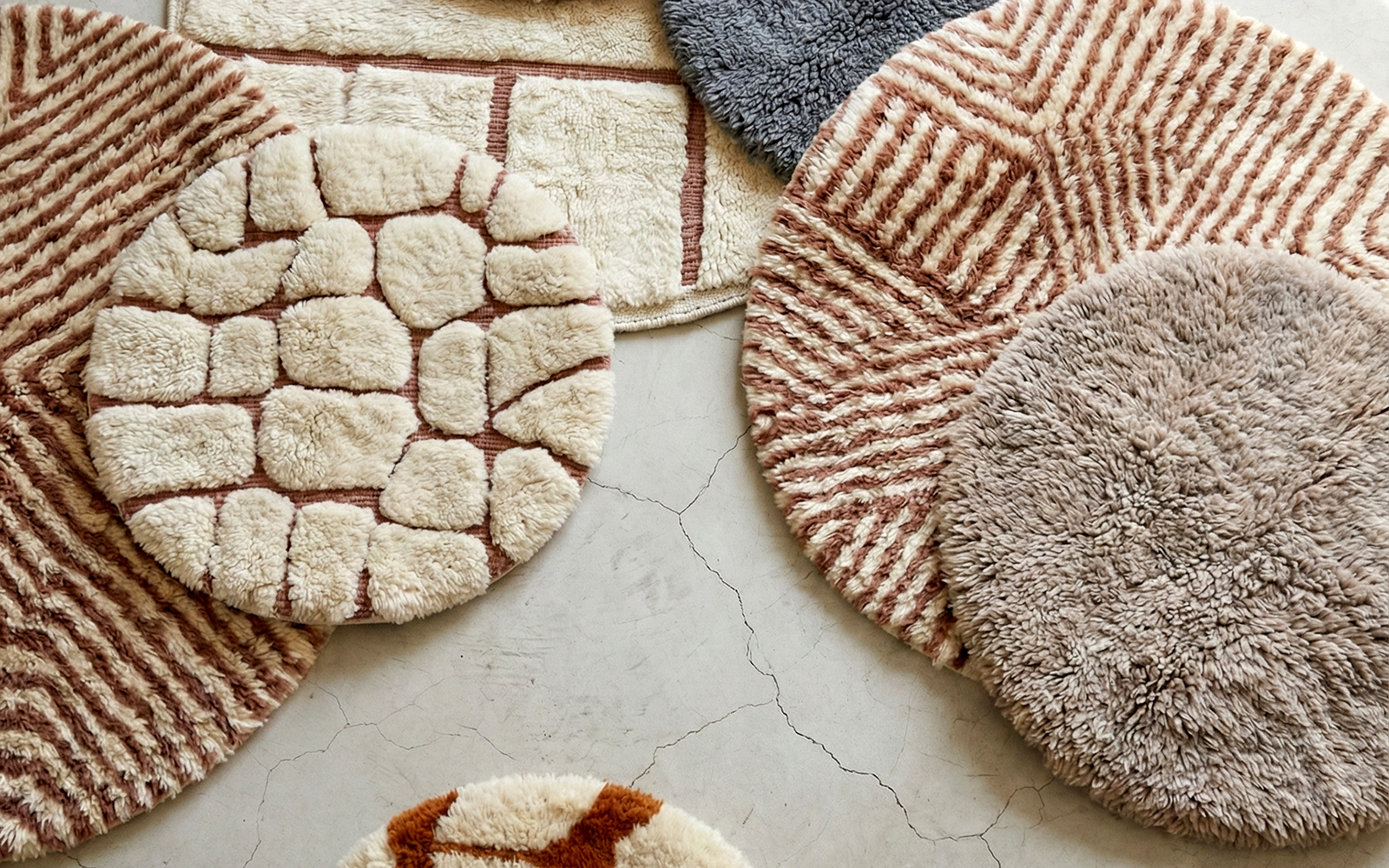
Morocco’s rug tradition extends far beyond these two well-known styles. Each region offers a distinct visual language:
-
Boucherouite rugs: Crafted from recycled textiles, these vibrant patchwork creations reflect resourcefulness and modern adaptation.
-
Taznakht rugs: Known for intricate patterns and rich, earthy dyes sourced from saffron and henna.
-
Boujad rugs: Recognizable for their warm pinks and reds with bold tribal symbolism.
Each rug serves as both functional object and cultural artifact—mapping geography, heritage, and identity into woven form.
The Artistry Behind the Loom
The process of creating a Moroccan rug is labor-intensive and intimate. Wool is sheared, cleaned, spun by hand, and often dyed using natural ingredients like indigo, saffron, pomegranate, and madder root. The weaving itself is done on traditional vertical looms, knot by knot.
There are no printed patterns or industrial shortcuts. Designs live in memory and intuition. A single rug can take weeks or even months to complete, depending on size and complexity.
Why Moroccan Rugs Endure
What makes Beni Ourain, Azilal, and other Moroccan rugs so enduring is their balance of tradition and individuality. They are not mass-produced replicas—they are singular works of art shaped by real hands and lived experience.
In a world increasingly defined by uniformity, Moroccan rugs stand as reminders of authenticity. They connect past and present, mountain village and modern home, craft and creativity.
To own one is not simply to decorate a room—it is to carry forward a piece of Morocco’s woven heritage.