Beni Ourain is an Amazigh semi-nomadic tribe located in the Middle Atlas near the city of Fez. The harsh weather conditions created the need for the women to start making rugs to warm their houses. Nowadays, Beni Ourain Amazigh rugs are so popular worldwide.
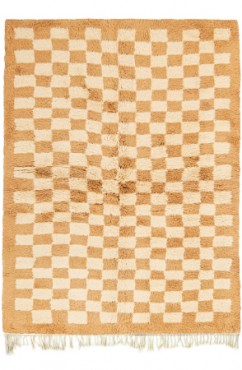
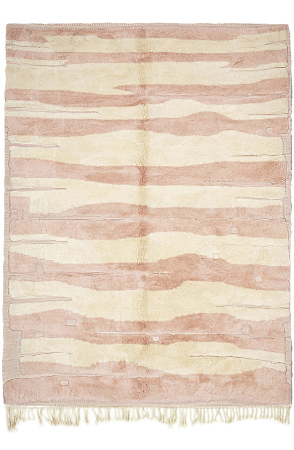
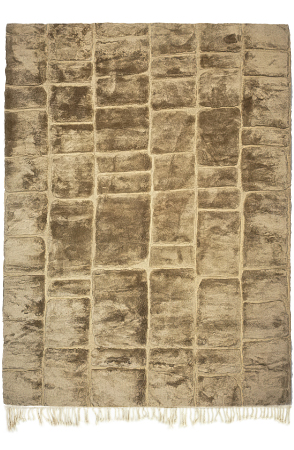
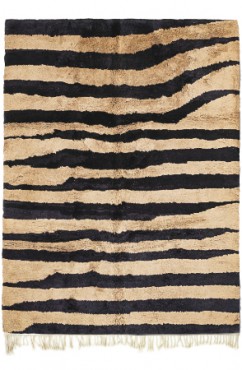
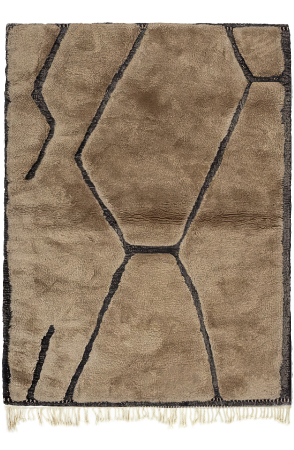
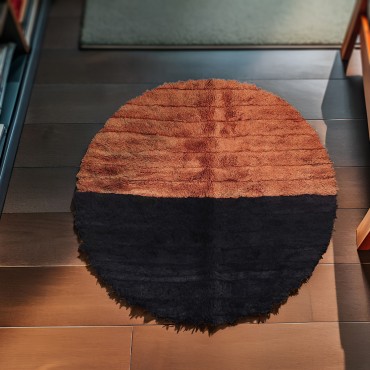
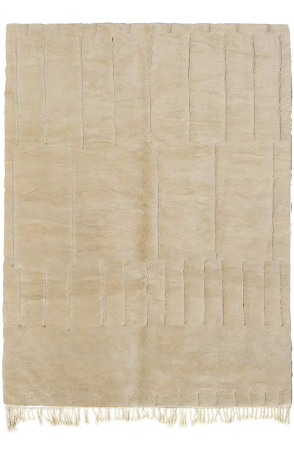
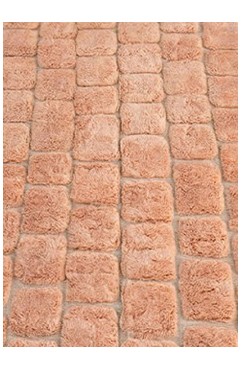
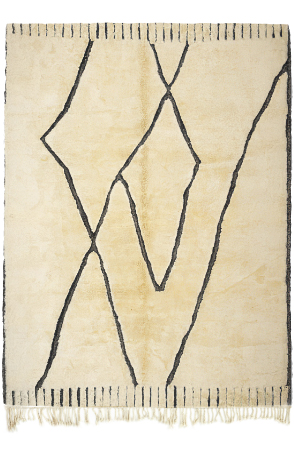
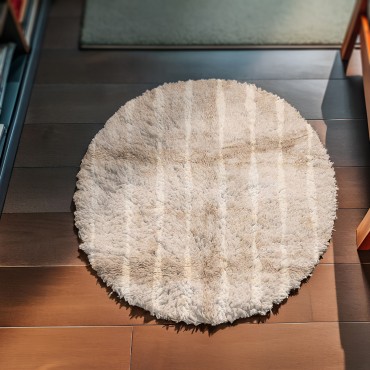
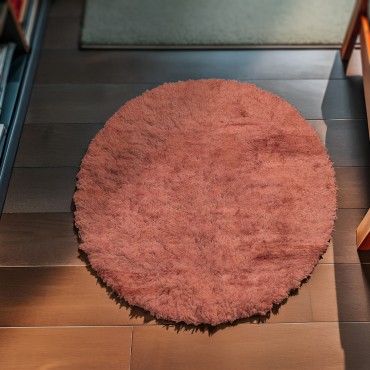
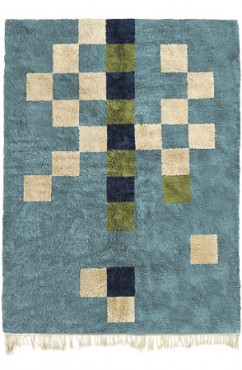
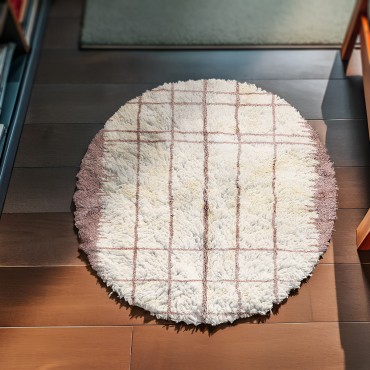

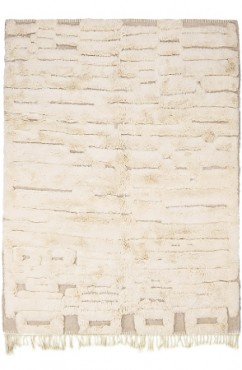
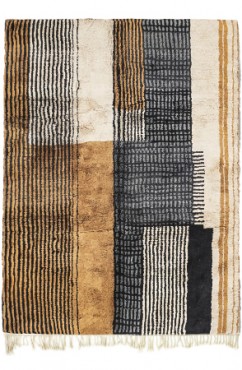
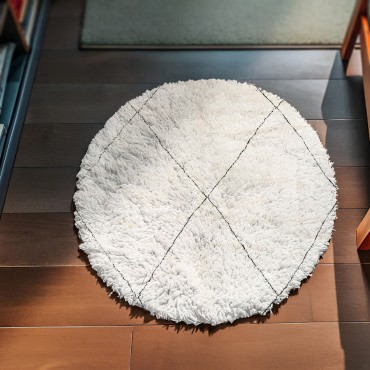
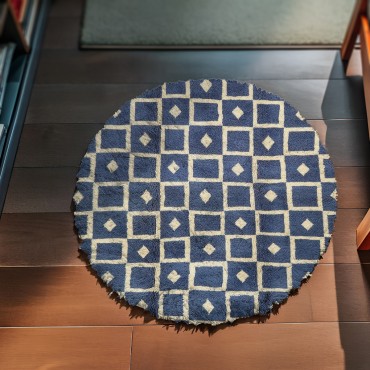
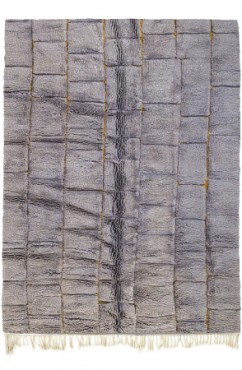
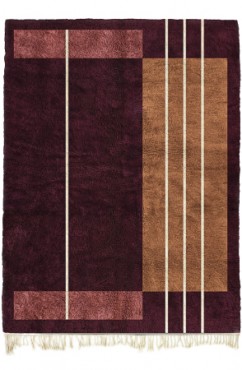
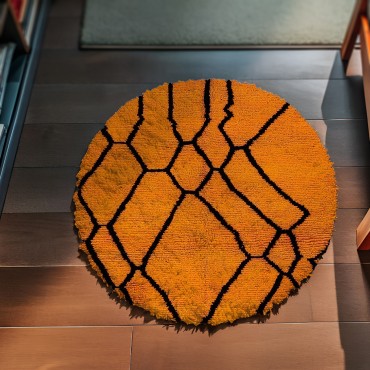
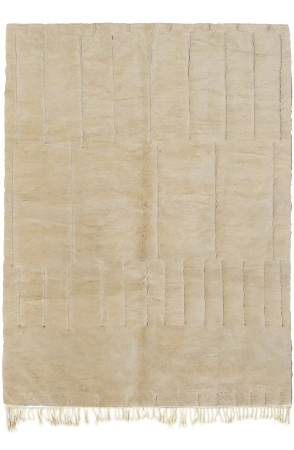

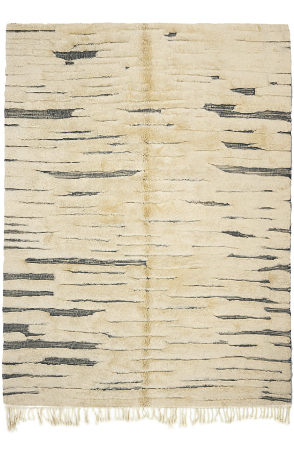
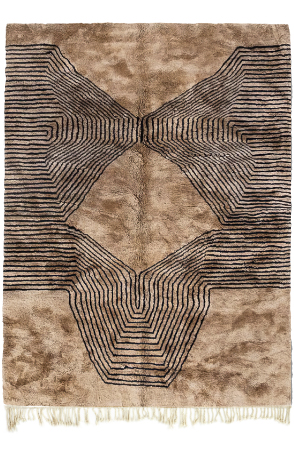
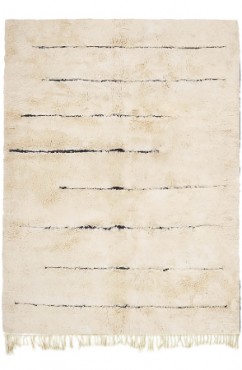
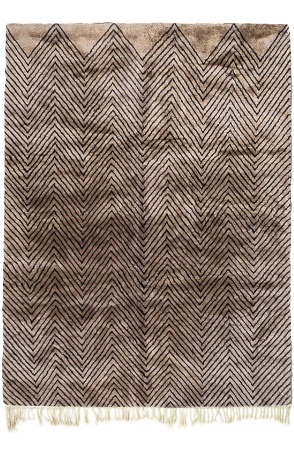

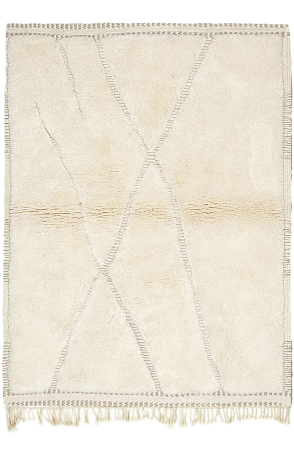
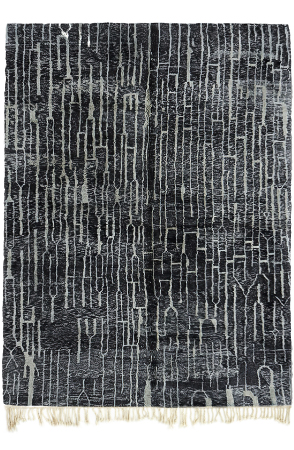
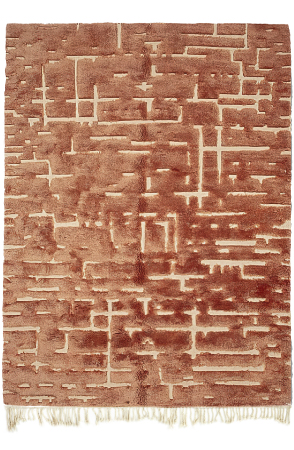
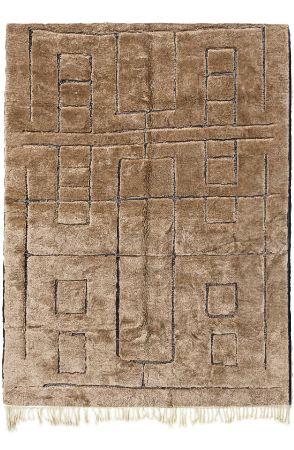
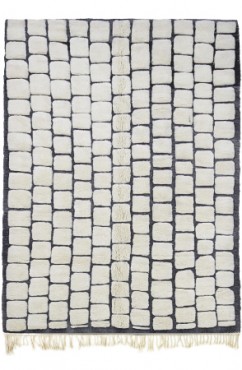
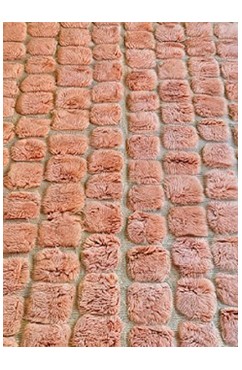
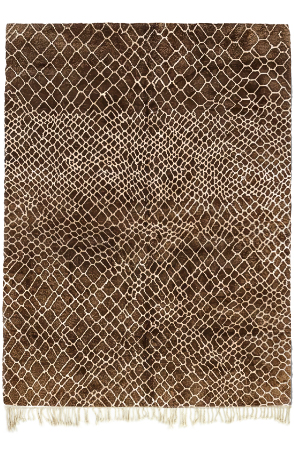
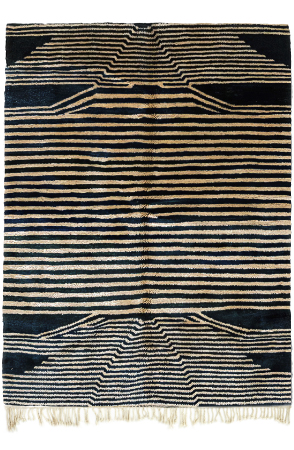
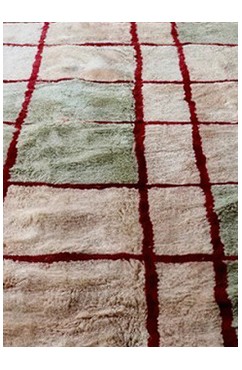
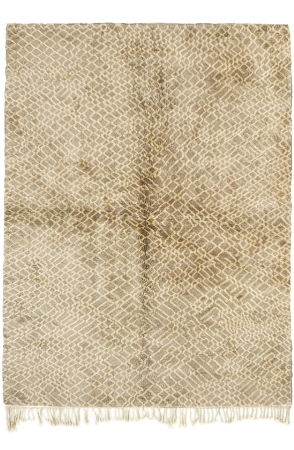
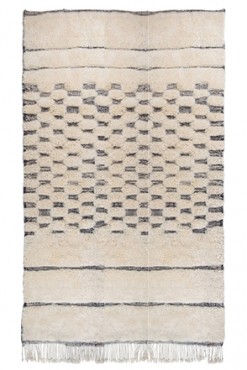
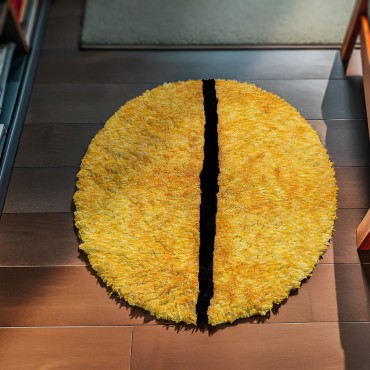
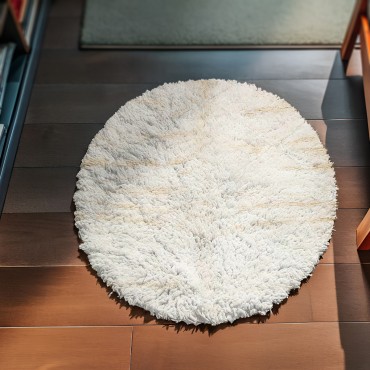
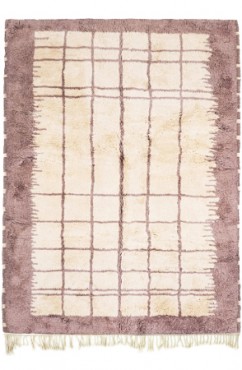
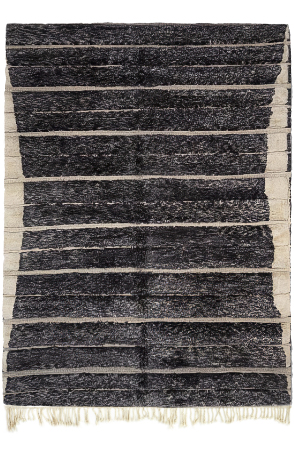
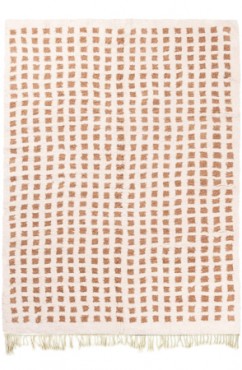
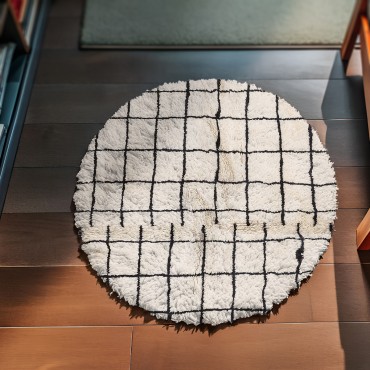
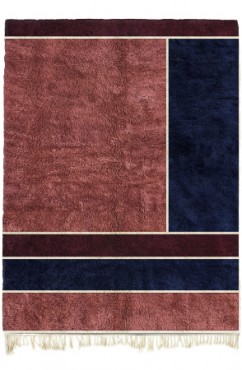
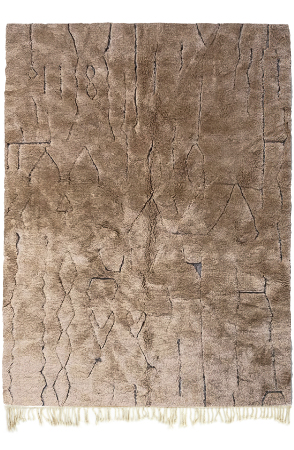
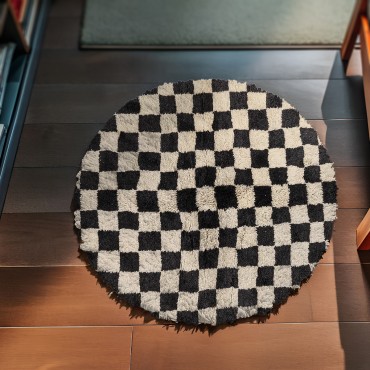
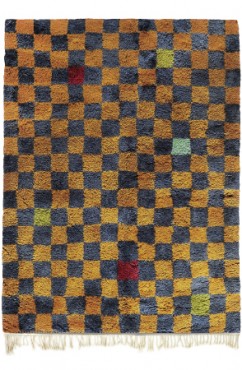
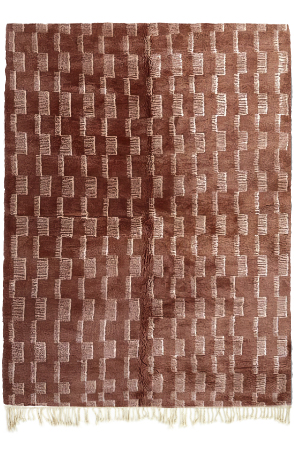
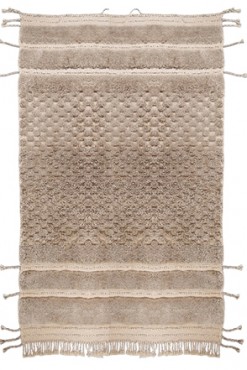
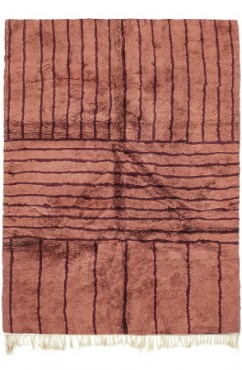

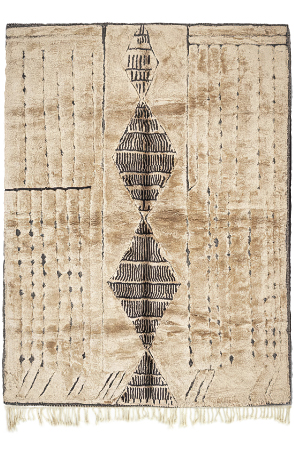
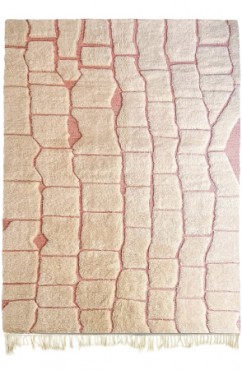
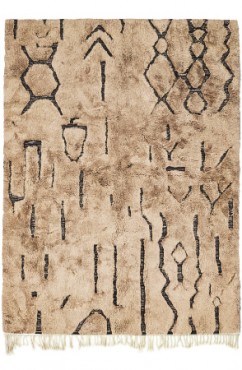
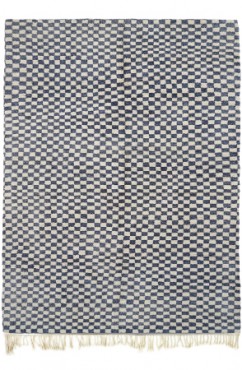
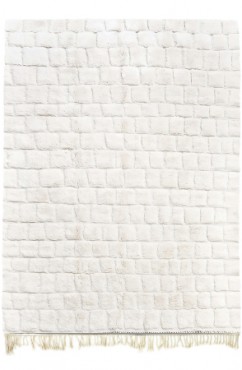
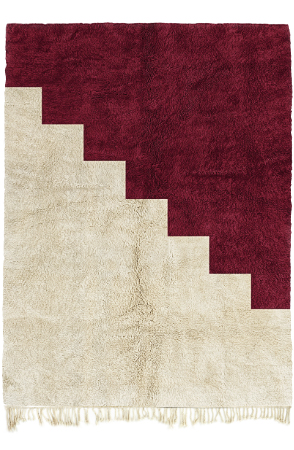
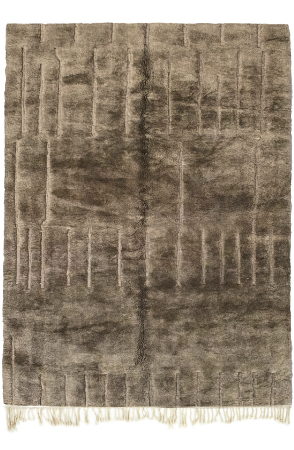
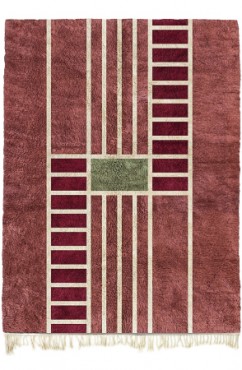
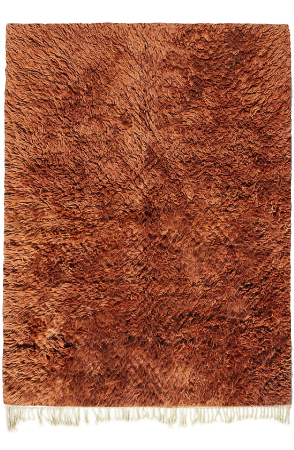
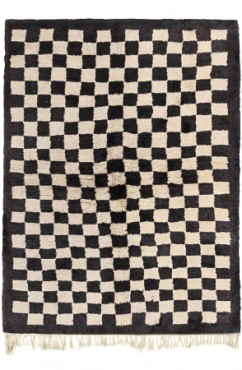

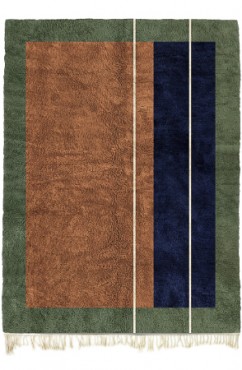


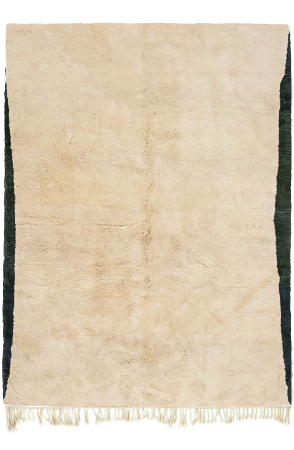
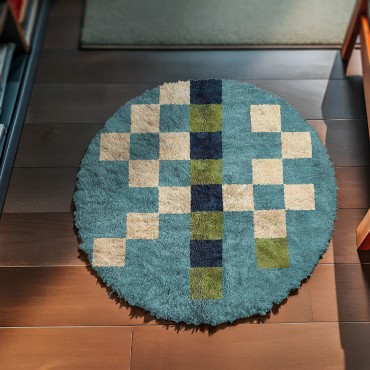
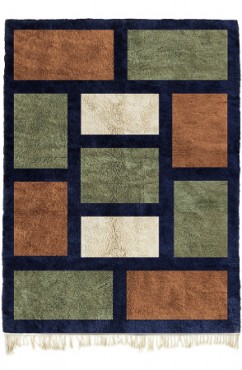
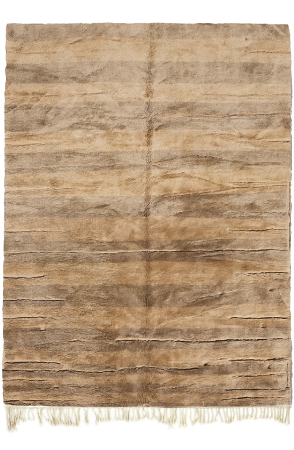
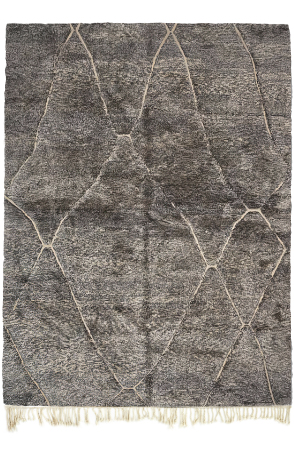
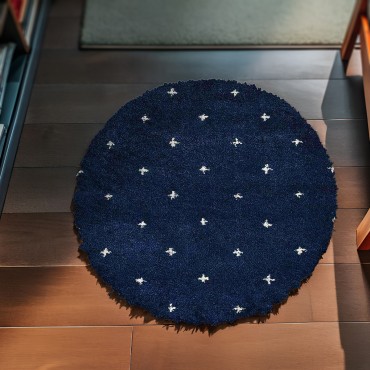
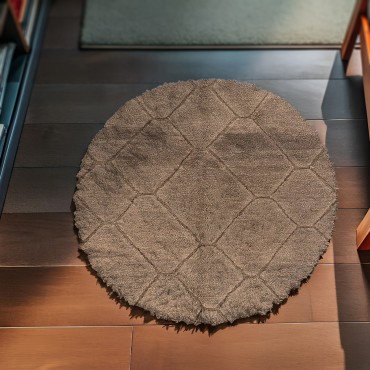
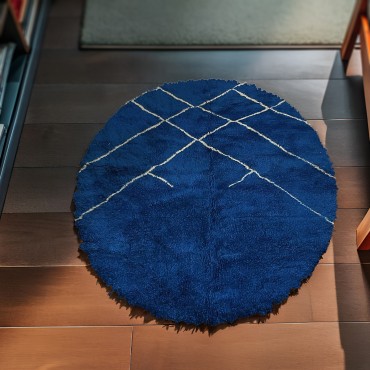
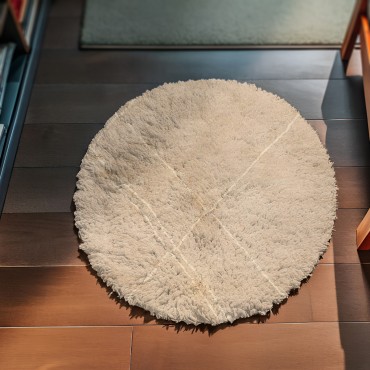

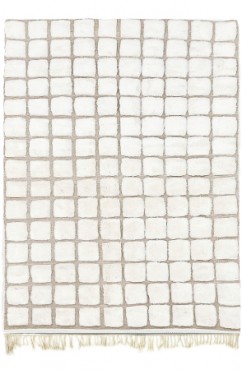
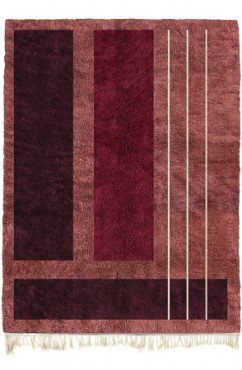
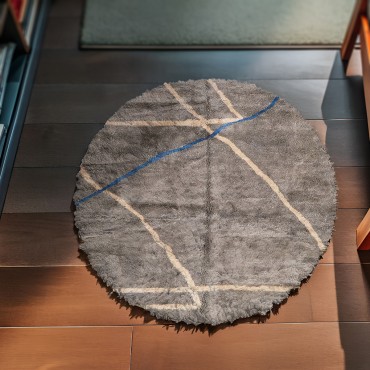
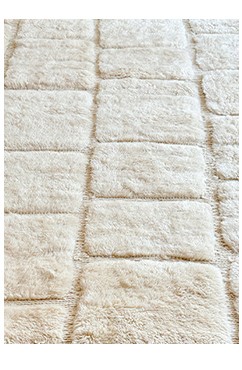
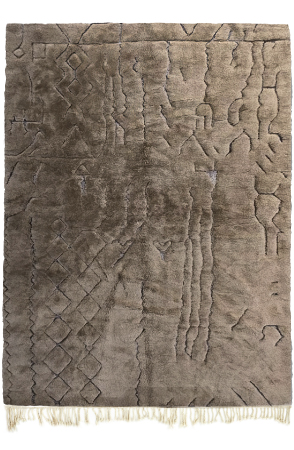
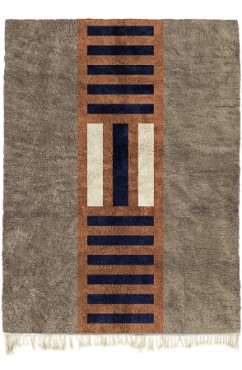
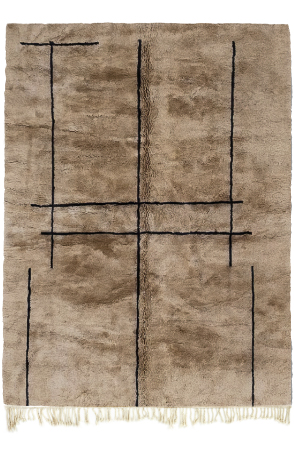
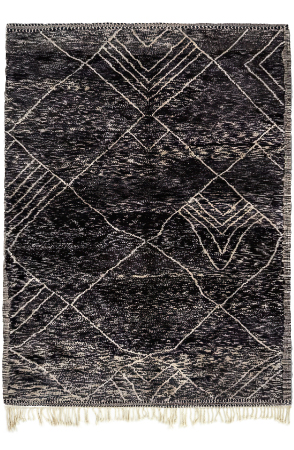
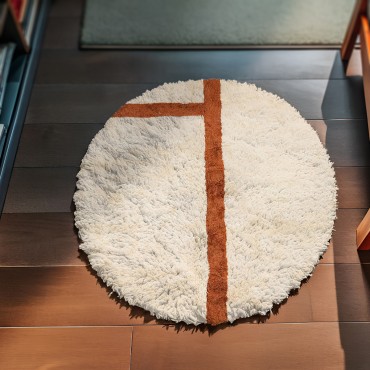
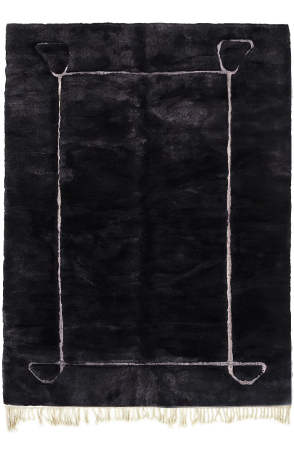
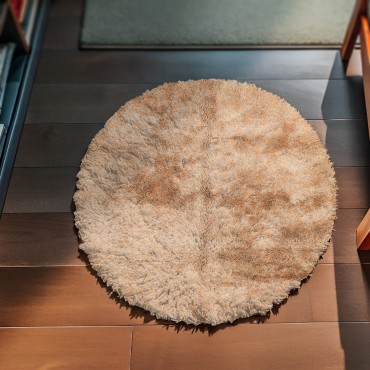
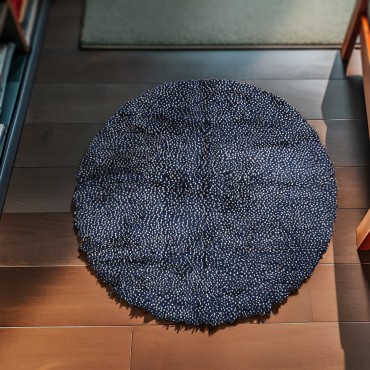
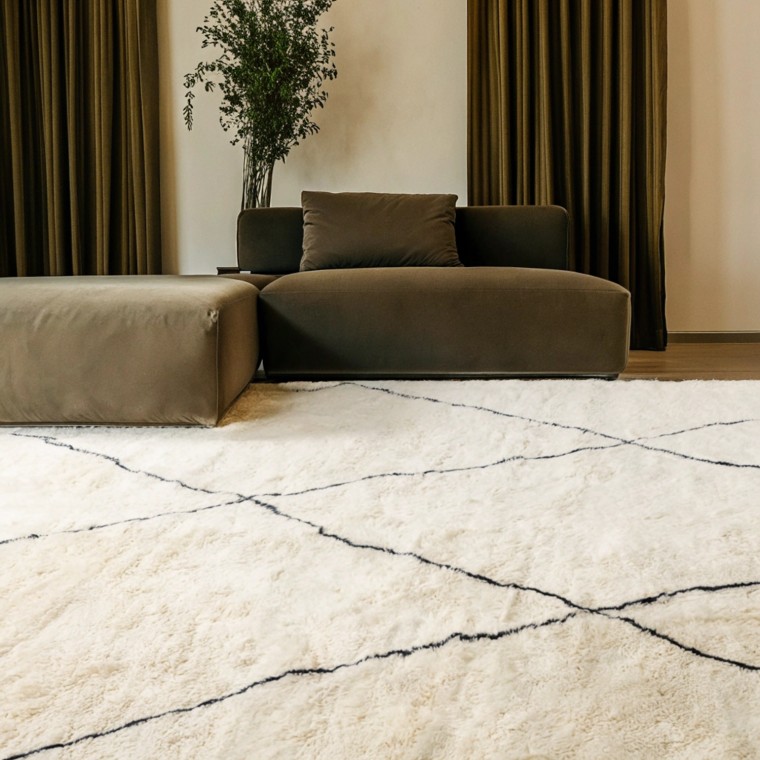
Beni Ourain is an Amazighen semi-nomadic tribe located in the Middle Atlas, exactly at the east of the city of Fez and south of Taza. It is composed of several different tribes, most of them make their living from sheep farming, and they produce the highest quality of wool, that is why Beni Ouarian rugs became in great demand.
Due to the low temperatures, combined with the harsh and humid weather, Beni Ourian tribes are obliged to make rugs and blankets to stay warm. Then it became the profession of local women, it is for them a safe space to get creative and tell their stories in an artistic way.
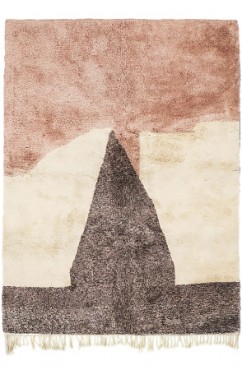
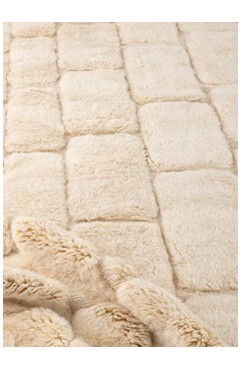
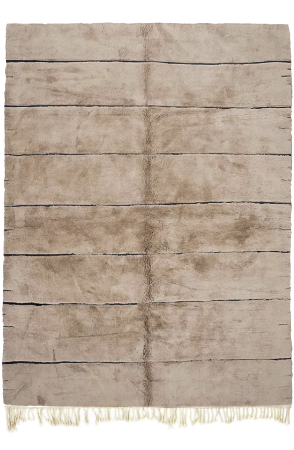
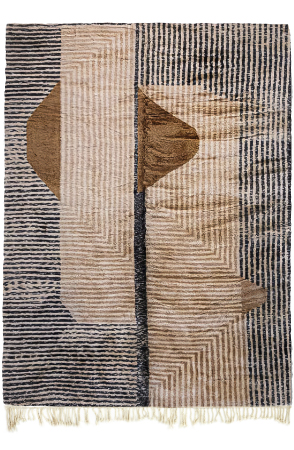
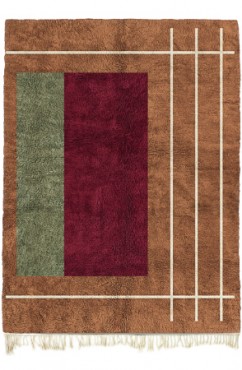
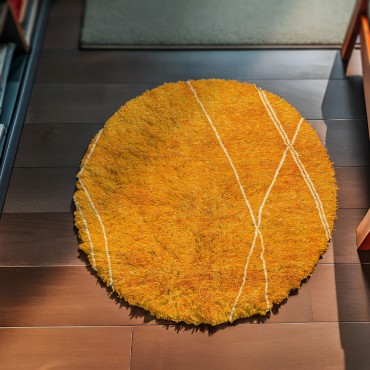
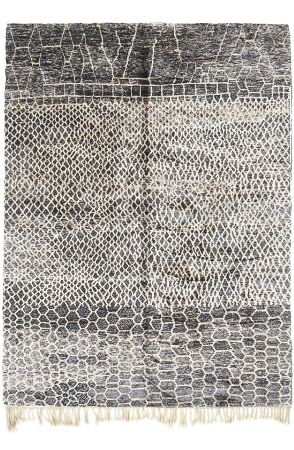
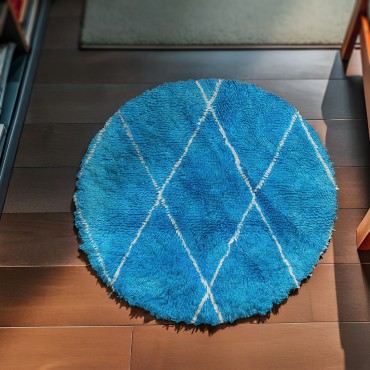
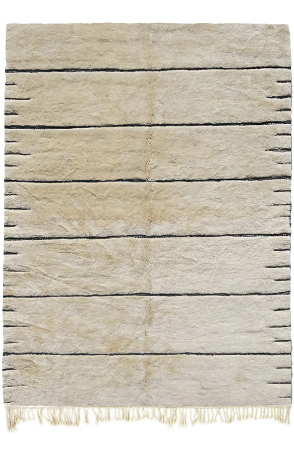
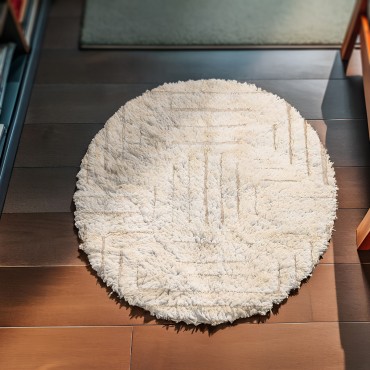
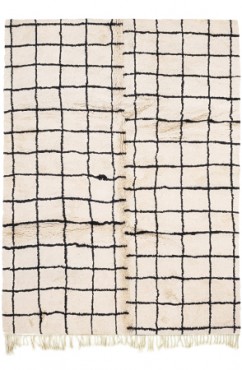
Beni Ouarian rugs are well known for being made of 100% premium-quality wool. Along with their unique and minimalist design; it consists mainly of geometric shapes that represent meaningful details. At first, these rugs had a specific design; ivory background and lozenges shapes in black or brown, but with the high demand, they have got more creative with the colors and designs. The process of making these rugs may take months as they are handwoven, therefore, they last for decades.
Set off deep into the Atlas Mountains, the range that crosses North Africa where a substantial portion of Eastern Morocco forms, and you'll find villages where remote mountain communities still weave tribal rugs. Many Amazigh (Berber) tribes in the Middle Atlas continue to live in communities that are only accessible via trails jutting out from the sides of cliffs. These villages are renowned for their ability to weave Beni Ourain rugs, an ancient craft that has garnered admirers from around the world.
Traditionally, these Beni Ourain rugs were first made high in the highlands before making their way to bazaars in Marrakech, Fez, and other Moroccan cities. However, due to their growing popularity, a new industry has emerged, allowing customers to purchase these Moroccan area rugs directly from the source. This shift has altered the traditional journey of a Beni Ourain rug, raising questions about whether a vital component of the craft has been lost in the process.
The Shepherds and the Wool:
The process begins on the mountaintop, with the sheep. Duties are often divided by gender but shared by the entire community. The men primarily handle the shepherding and eventually shear the sheep. The wool is then segregated based on age and location on the sheep's body. The highest quality wool is found along the sheep's neck and spine, especially if the sheep is from the esteemed High Atlas region. The softer, purer fleece is then combined with the hardier, coarser wool from the Middle Atlas sheep.
Preparation of the Wool:
To gather enough wool for a standard-sized Beni Ourain rug, 50 to 100 sheep need to shed their winter coats. Once separated, the women carry it down to local streams, flowing from the mountaintops, to clean it for the first time, often using Morocco's famous Berber soap. Another task for the women is spooling, which involves hand-spinning the wool into various thicknesses of yarn before twisting it around a wooden dowel. Much of it is left in its original cream color, but if different tones are required for the pattern, weavers dye the yarn using local flowers and spices.
Weaving the Rug:
Once the women have determined the main design of the Beni Ourain rug, they begin setting up the loom with the proper measurements and looping each string of yarn. If the pattern is traditional, one side will be left open for tassels and other embellishments.
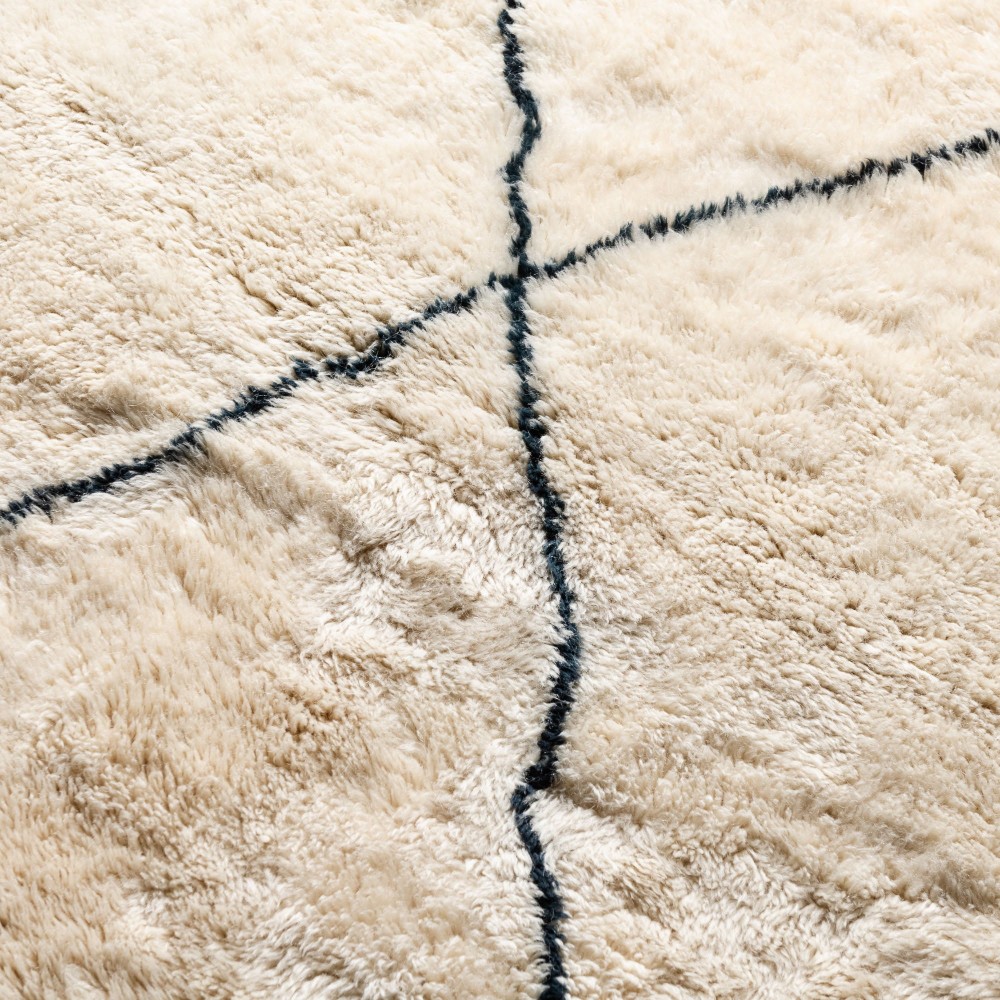
Inevitably, errors occur during the making of Beni Ourain rugs. However, these unique imperfections add to their value, something factory-made competitors lack. Locals refer to these distinctive whorls of errors as "the beauty of the hand." Similar imperfections are seen in zellige, the geometric tiles that adorn the interiors of Moroccan constructions, from mosques to riads. From a distance, they appear complete and beautiful, but upon closer inspection, minor inconsistencies become evident.
No two Beni Ourain rugs are ever the same, even if they appear to feature the same design. This uniqueness attracts collectors, designers, and homeowners who enjoy purchasing high-end, one-of-a-kind items.
For years now, Babakech Rugs has been selling Beni Ourain rugs. They can help you get rid of an old rug and guide you through a selection of 20th-century rugs from across Morocco. These custom rugs are mostly contemporary, and all are handmade to order. Some are flat-woven kilims, some are knotted pile rugs, some are multicolored and elaborately patterned, and each is absolutely unique.
There are thousands of designs to discover from across our collections, including tribal motifs from the High and Middle Atlas, Rbati Arab designs, and Haouz designs. Our shop is for those who want to browse, and discuss Moroccan rugs before making a decision.


