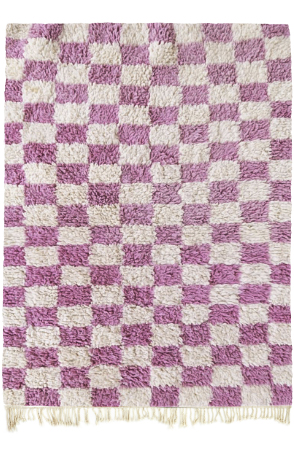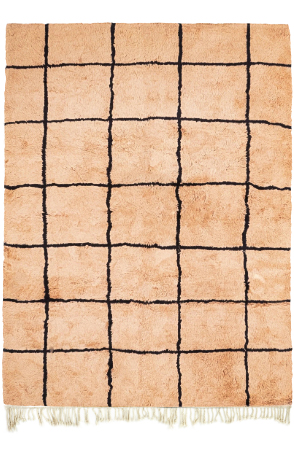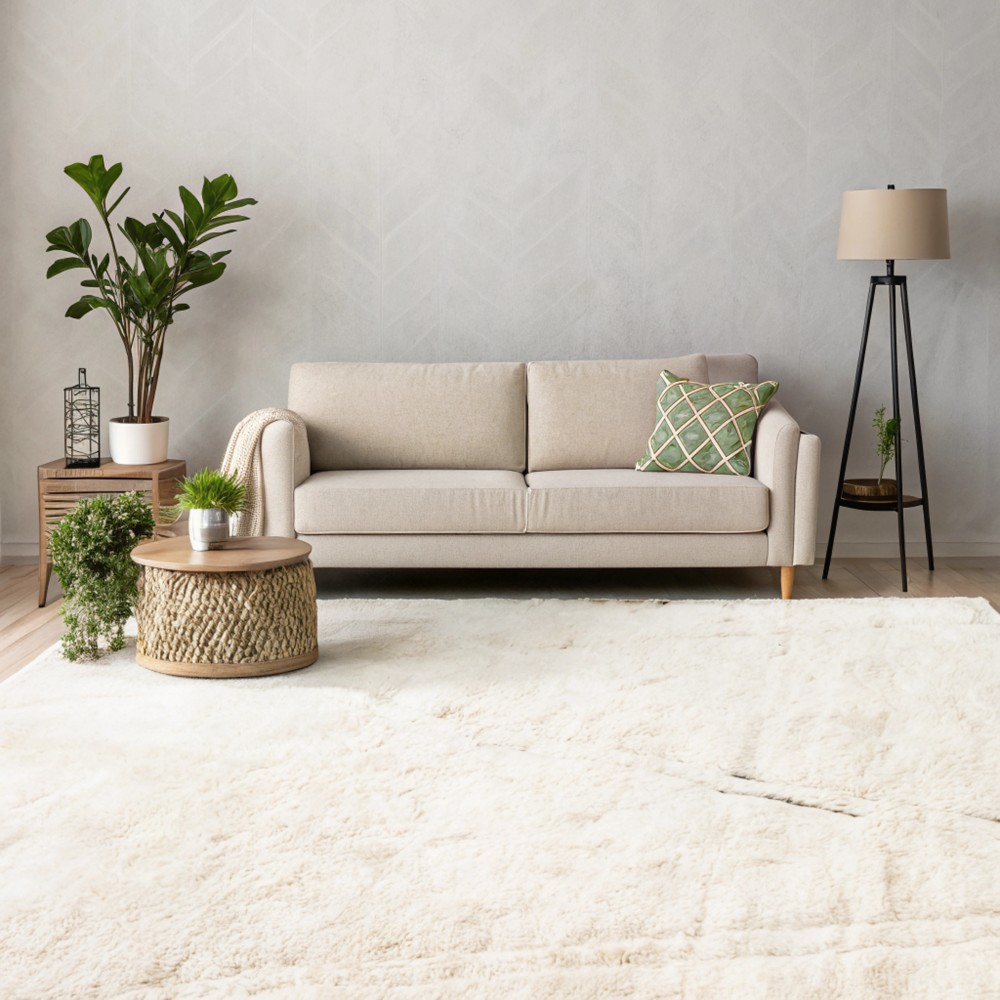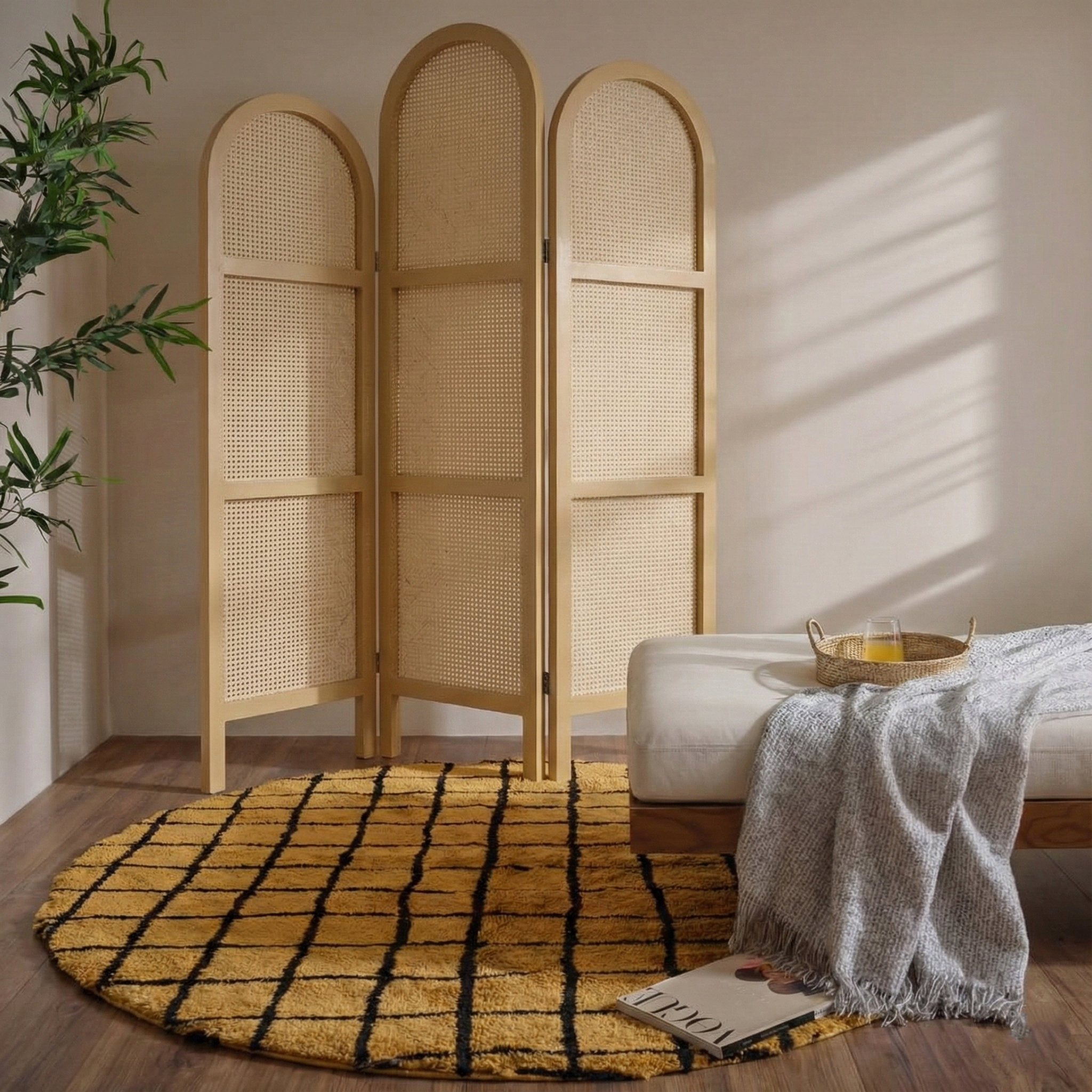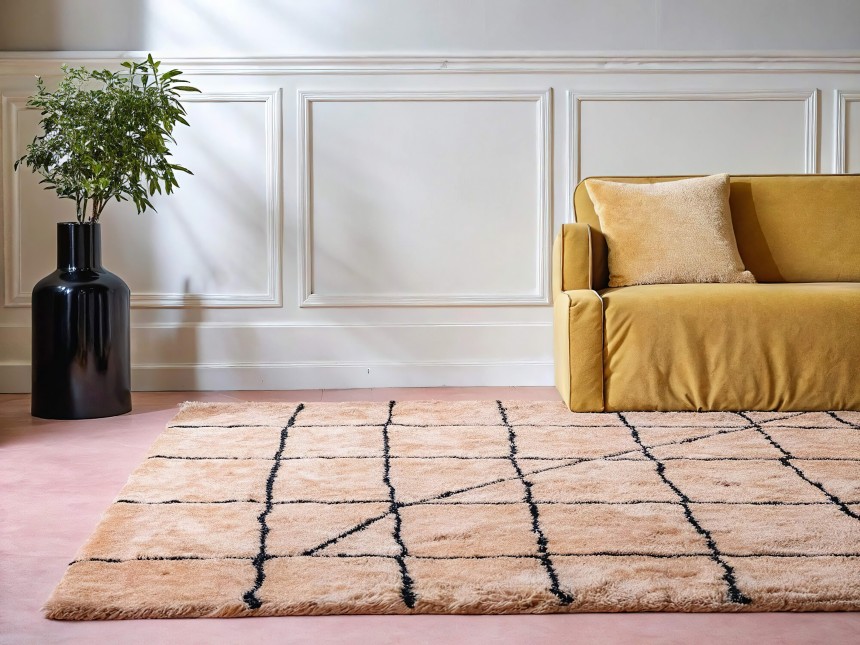
Peach, coral, salmon, tropical cerise, and cherry blossom. Pink is a color that has no limit. Pink house decor may appear unrealistic or daunting, but it does not have to be. In contrast, it is a flexible color that may be neutral and calming or vibrant and bold, depending on the mood you want to create. Pastel pink rose to prominence in fashion, art, and interior design around the mid-18th century as a status symbol color that signified class and luxury. From brilliant tones of fuchsia in the 1960s pop art movement to the contemporary term "millennial pink," this color has been reinvented in what appears to be every decade since its debut.
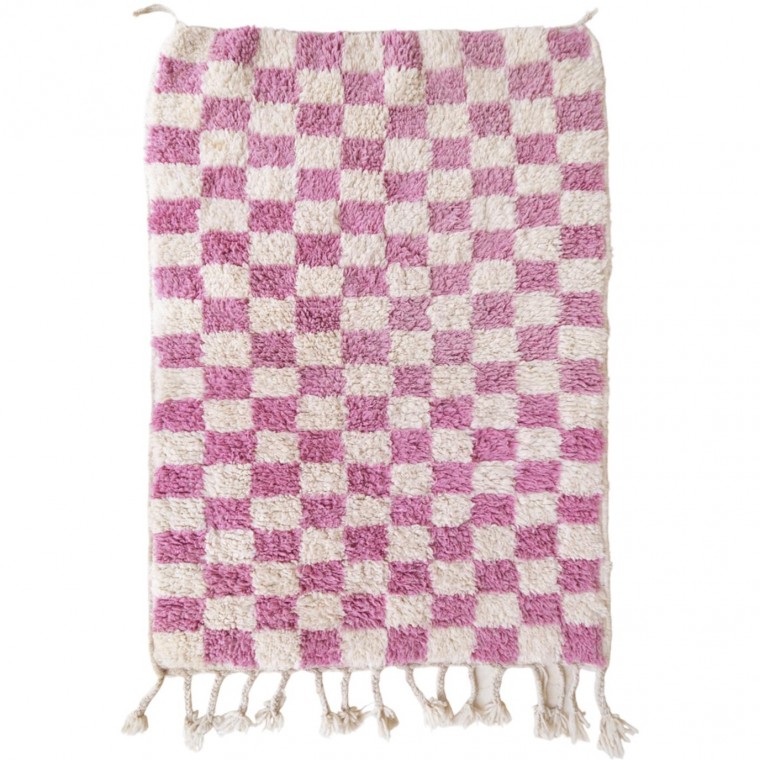
However, not all pink shades are the same, nor do they have the same appeal--particularly when it comes to decorating your home. If you believe pink is too quaint, we challenge you to try these tips before you dismiss it entirely. Did you know that pink goes nicely with most colors? Pink, which is primarily composed of yellow and blue tones, complements both warm and neutral hues, which is why we consider it a disguised neutral. Designers choose pink as a neutral color, similar to beige or gray, to maximize its adaptability. Pink's delicate, warm undertones make it compatible with a wide range of colors.
Q: Which colors complement pink best?
A: Yes, pink complements both warm and cold hues on the color wheel, serving as an ideal neutral. To create a modern look, combine pink with light neutrals like beige, ivory, or taupe. For a more daring look, pair pink with dark greens, navy blues, or rich grays. We love how pink serves as a refreshing neutral, creating calm and balanced spaces.
Q: Are there any shades of pink to steer clear of?
A: Obviously, everybody has their own taste, but intensely vibrant or bubblegum pinks can be challenging to mix into a neutral theme without overpowering the space. Ultra-soft pastels may feel overly playful unless balanced with refined, sophisticated accents.
Q: How can you style pink and keep it from feeling overly cute or exclusively feminine?
A: To keep pink from feeling overly sweet or gender-specific, designers often balance it with contrasting elements. Incorporating elegant, modern furniture, bold patterns, or industrial touches adds depth and sophistication, creating a more versatile and refined pink-dominated space.
Q: What are your tips for incorporating pink in larger doses, like on walls, wallpaper, or a rug?
A: When using pink on bigger surfaces like walls or rugs, it's important to achieve a balance with neutral or contrasting elements. For a timeless look, combine soft blush pink walls, clean white trim, and dark wood furnishings. When using a pink Moroccan rug, be sure to incorporate complementary colors into the room's furnishings and decor to end up with a unified design.
Q: What are some natural shades of pink that work well in a space?
A: Choosing from a pallet of pink colors for design:
Blush Pink: Soft and delicate, ideal for a relaxing atmosphere in bedrooms or living rooms.
Cherry Blossom: A muted rose with stylish gray undertones that exude sophistication and warmth without overpowering a room.
Coral: Bright and vivacious, perfect for adding color to accessories or accent walls.
These adaptable shades can be smoothly integrated into a variety of design projects. Consider each shade's undertones to ensure that it complements the other items in the space.